Voxel Art
On of my largest achievements in Voxile was unifying its previously disparate art style across a number of projects.
Writing an Internal Style Guide
For the update of old assets and the creation of new ones.
Total Overhaul of the Character Customisation System
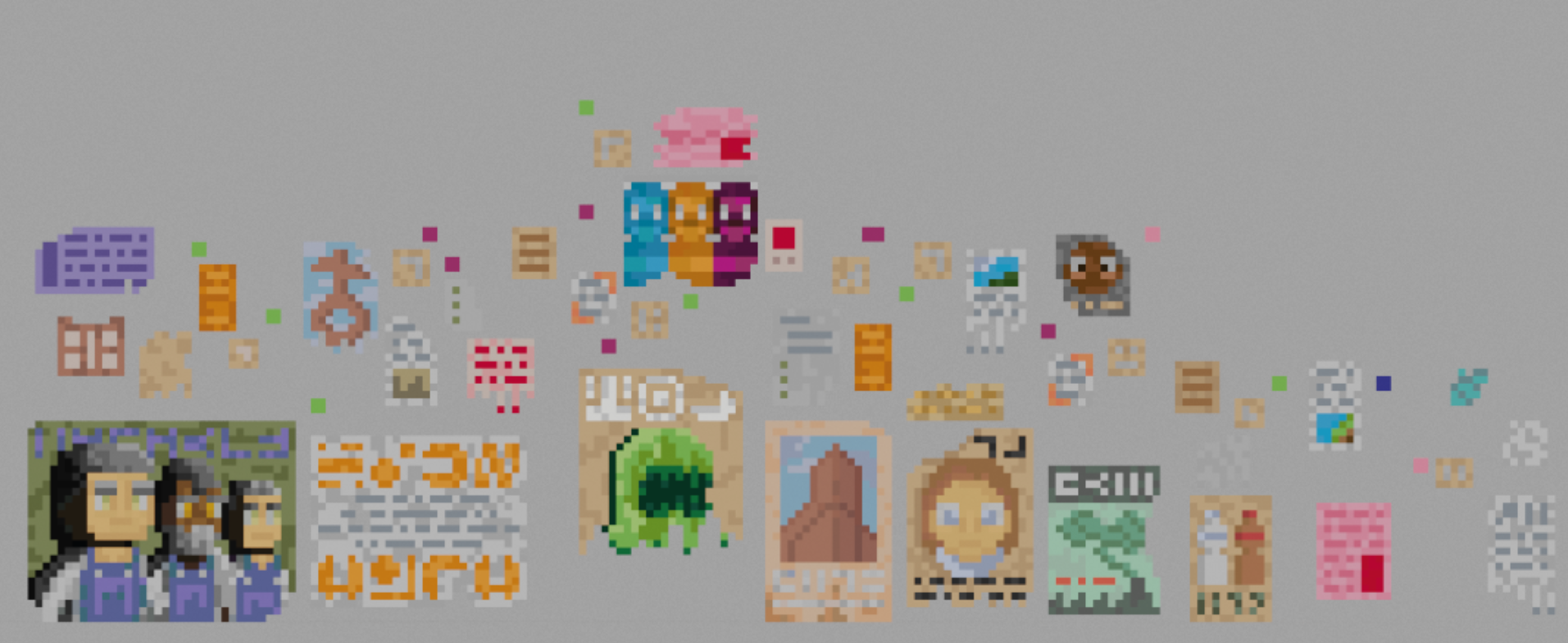
Character Customization System
Characters in Voxile were initially made from a pool of limited head, body and leg types. Given the vast number of NPCs across the game, similar-looking characters began popping up and preventing our world from feeling truly vast and genuine.
The Proposition
I proposed a number of changes to bring character customization more in line with environmental design in terms of ease-of-use and polish. There are a number of ways this could be achieved.
Unify Existing Assets
We had numerous assets all doing the same job. For example we have 6 arm models representing blouse shirts, 5 models for dress trousers, 3 for denim jeans, etc. I suggested one asset for any one type of clothing.
Define Standards for Palette Swaps
It was not clear what, if any, part of an asset would be affected by selecting a different colour at the menu. I proposed unifying this.
Allow Greater Colour Control to Designers
I proposed a consistent range of colour channels across all assets.
2 channels for outerwear (coats, jackets, ponchos).
2 channels for innerwear (shirts, tanks, dresses).
1 channel for pants.
1 channel for footwear.
Diversify the Range of Characters
Our characters did not yet represent a very large range of identities, styles and cultures. I proposed adding a wider range of styles to accommodate this.
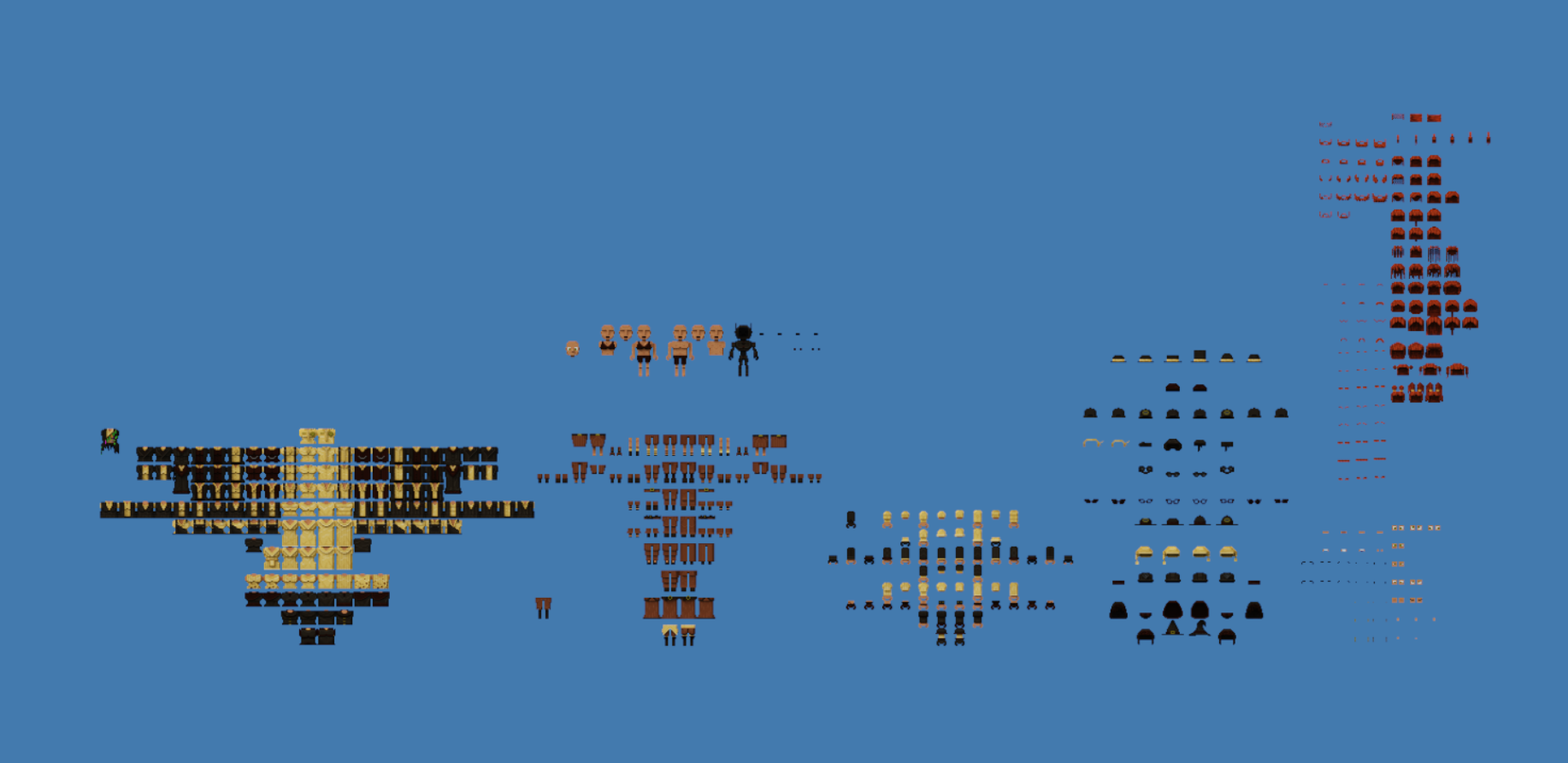
The gargantuan final project file included 100+ assets and divided each one into masculine and feminine body types. The new palette system allowed for light, medium and dark variants of the primary and secondary colours - giving our designers immeasurably more combinations to choose from.
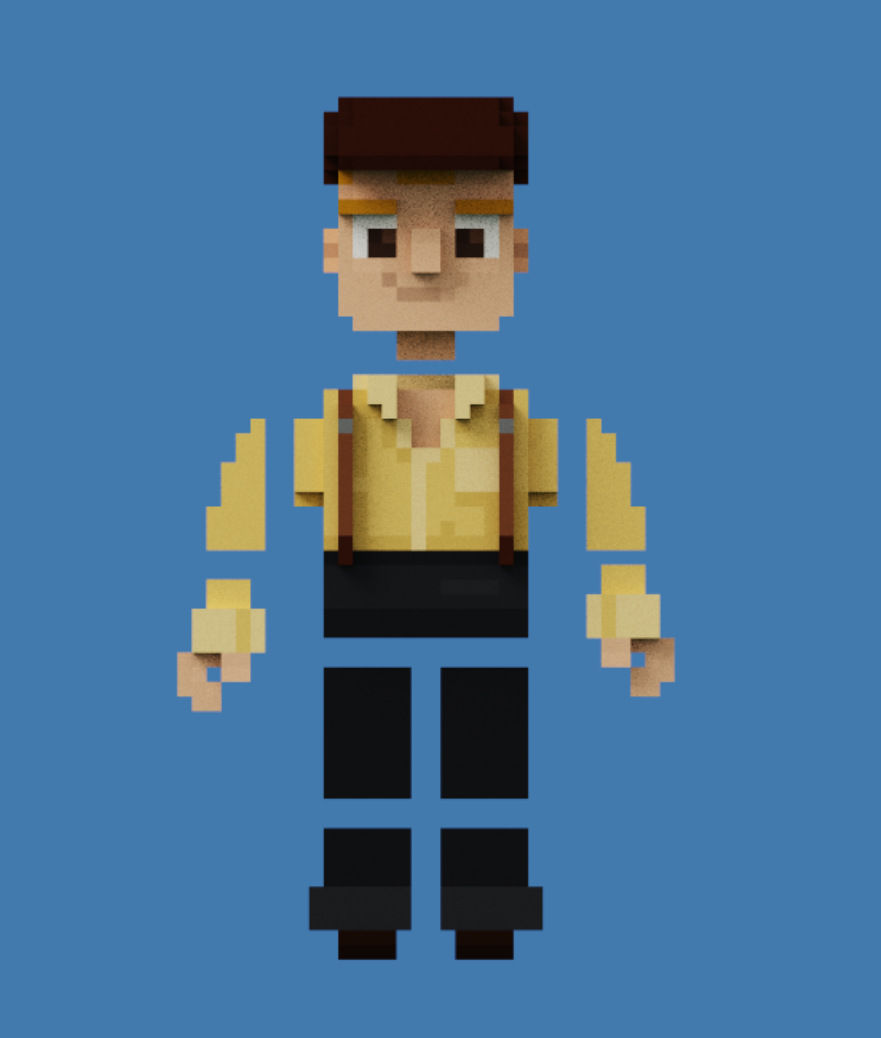
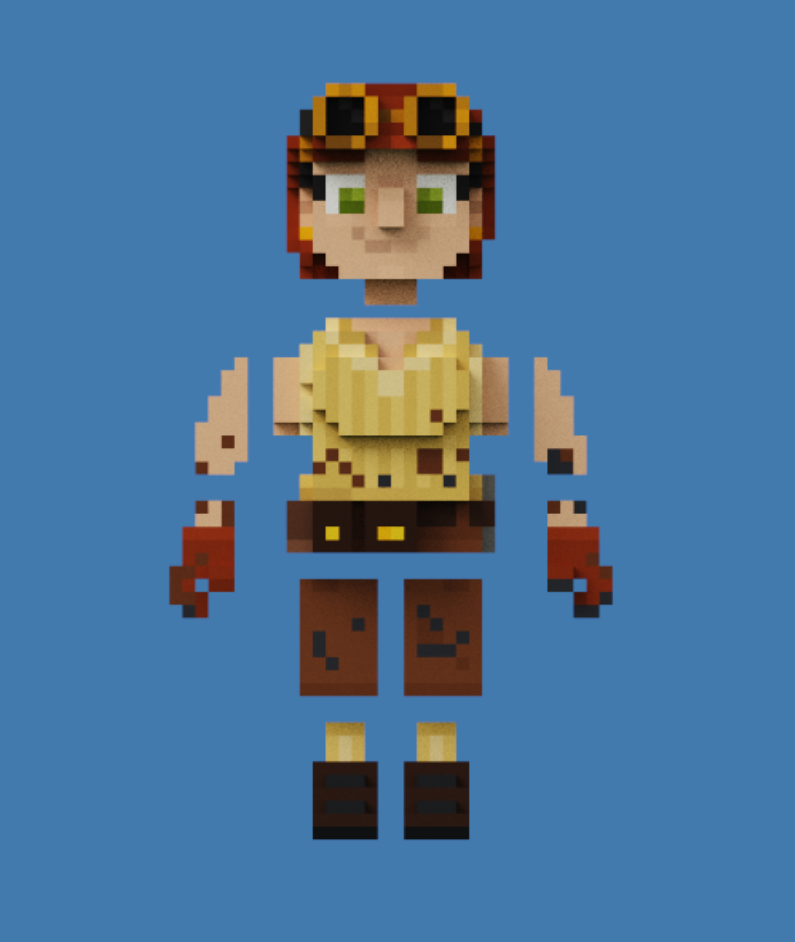
The original characters. Attractive designs, but note how the head breaks off as one component, and how the trousers start half way up the torso - preventing real interchange with other trouser types. For example, we could not put goggles on the left character’s face, and we could not put suit pants on the right character.
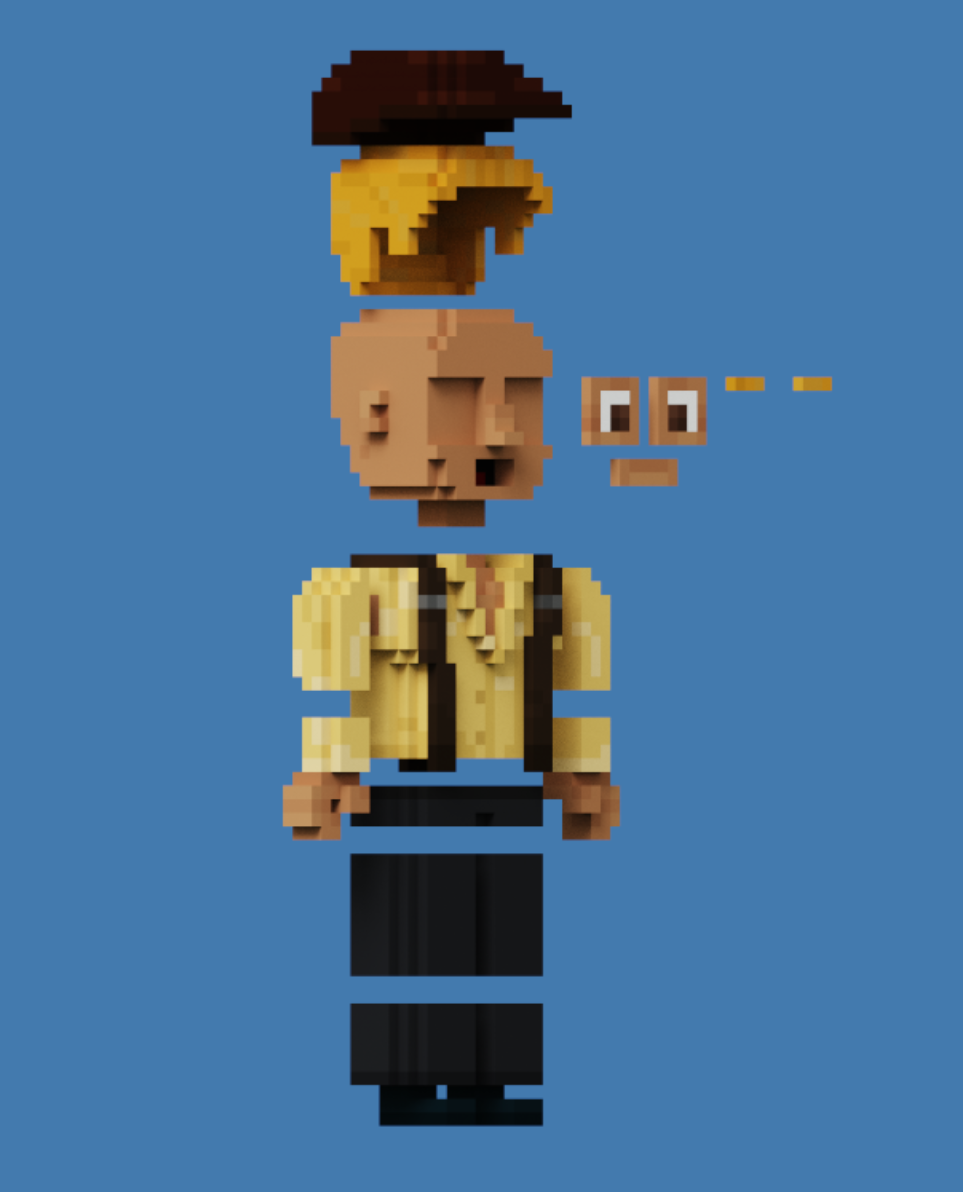
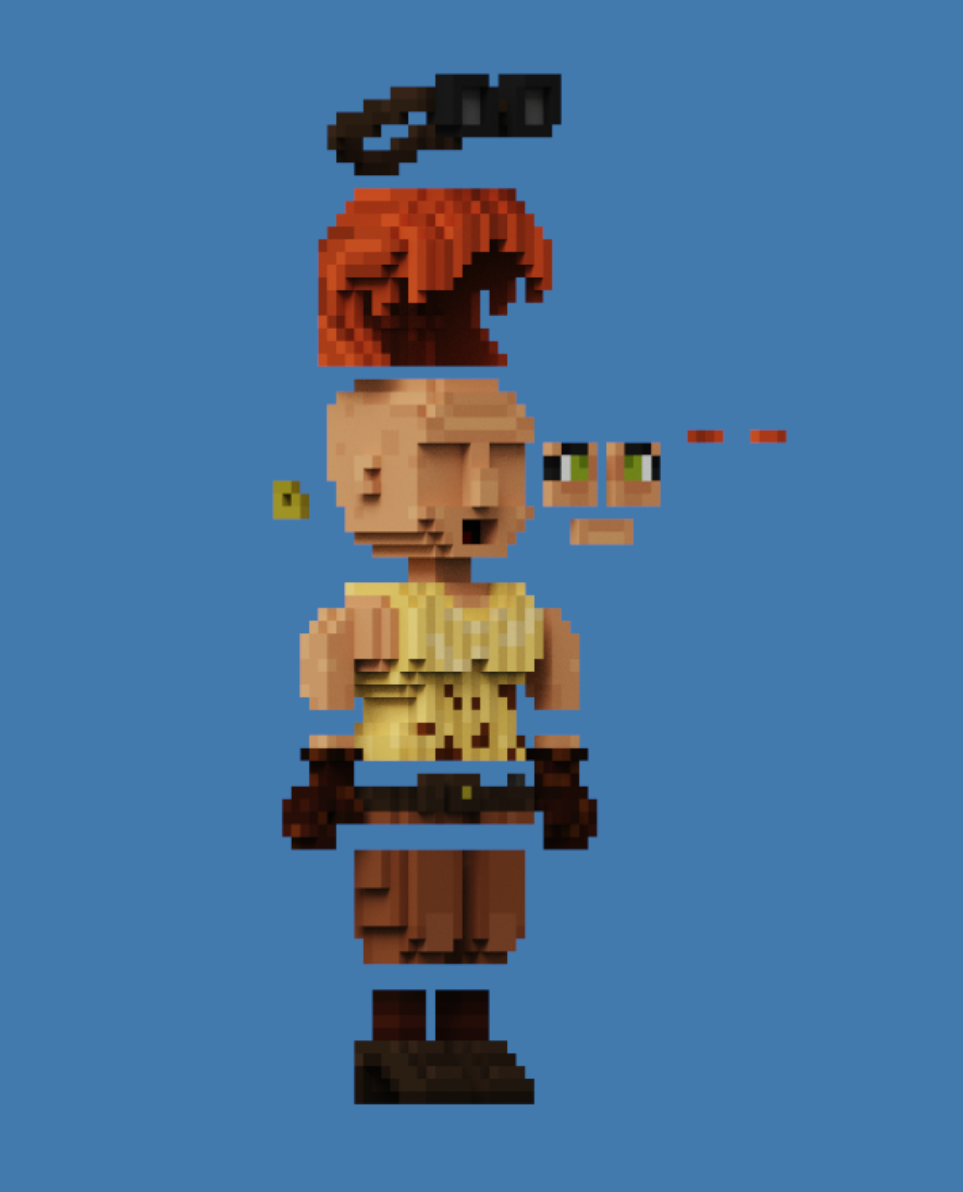
Compare this with the new system. Not only more customizable, but previously flat textures (remnant of an earlier art style) have been updated to connote ruffled fabric or natural skin colour variation. Also the lower body has been separated from the upper, allowing for greater freedom being afforded to our designers.
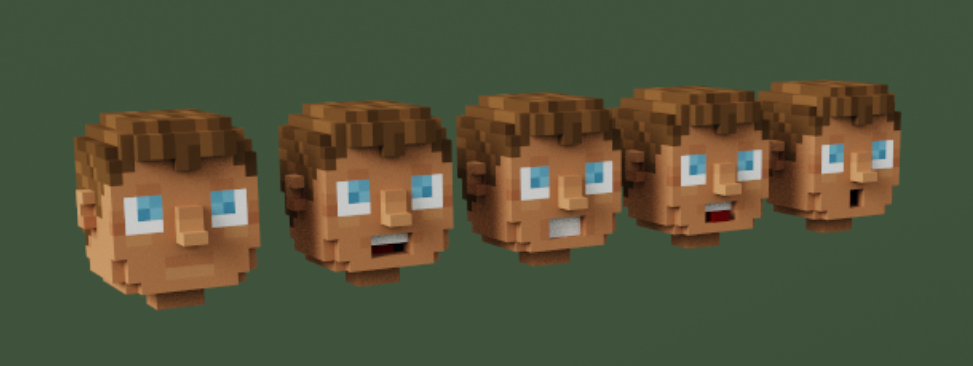
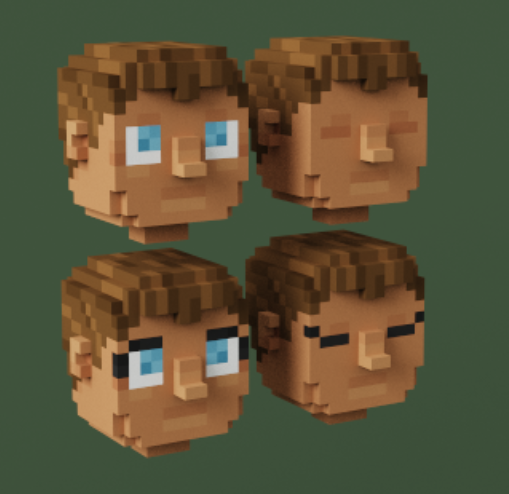
As a bonus, and with negligible delay to my primary aims, I added animation assets that would eventually allow us to animate the faces of our NPCs.
Documentation
A huge part of the project was our level editor, which needed to be both accessible to laypeople, and powerful enough to support complex quest structures. The following documents are authored by me, and are available on our public GitHub page.
On the company-facing side, I authored style guides for dialogue including:
Player Passivity
Humour
Meta-textual Text (stage directions, actionable verbs, etc.)
… among others. I also authored a style guide for materials and asset creation including, but not limited to:
Colour Choice
Material Construction
Wood, fabric, dirt, metal, etc.
Metrics
Doorways, furniture, small props, etc.
None of which served to hamper the creativity of our designers, but allowed us to clearly illustrate where we were diverting from our intended design philosophy.
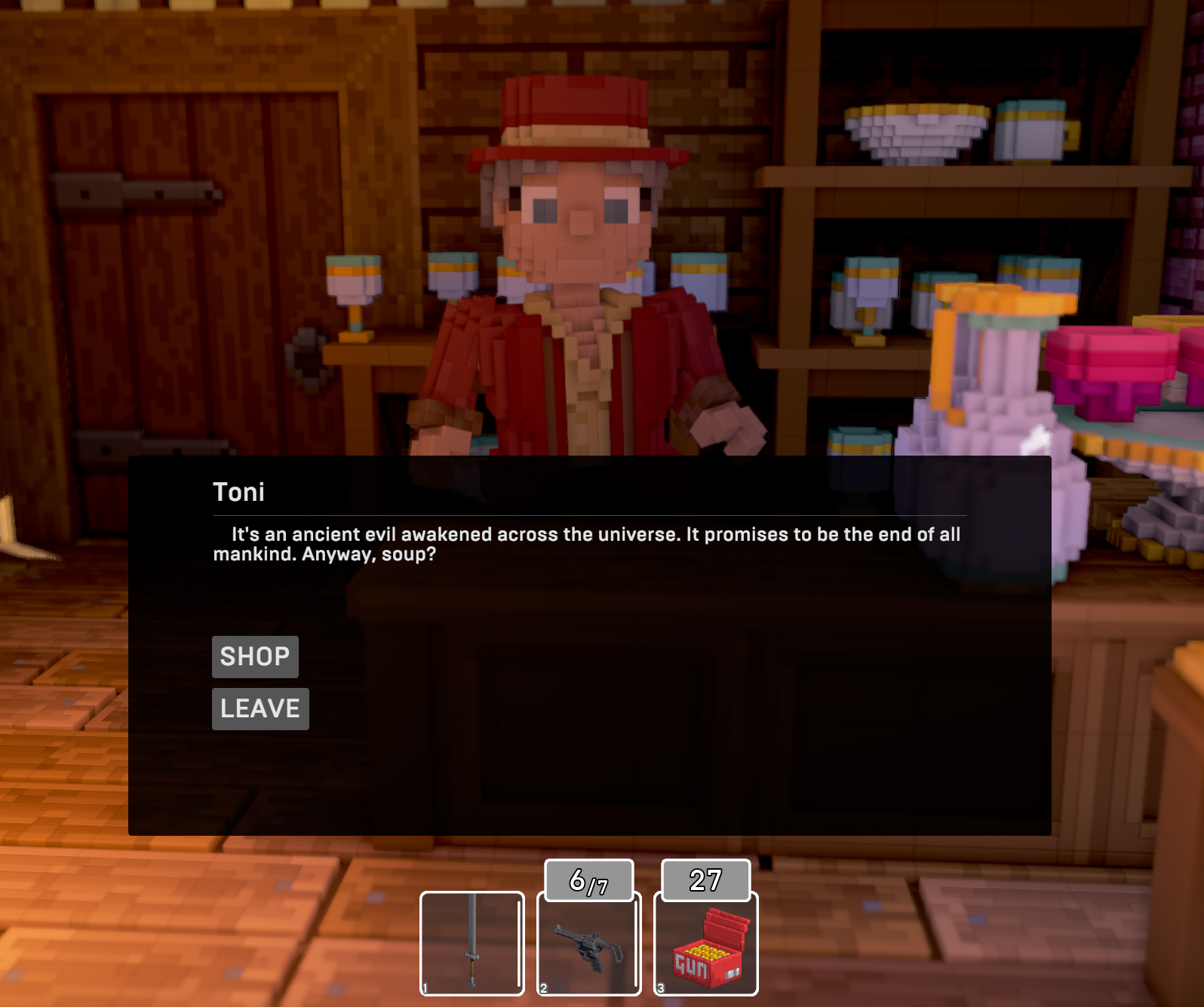
Dialogue was written to be brief, functional and sprinkled with irreverent humour. My dialogue guide assisted with this endeavour.
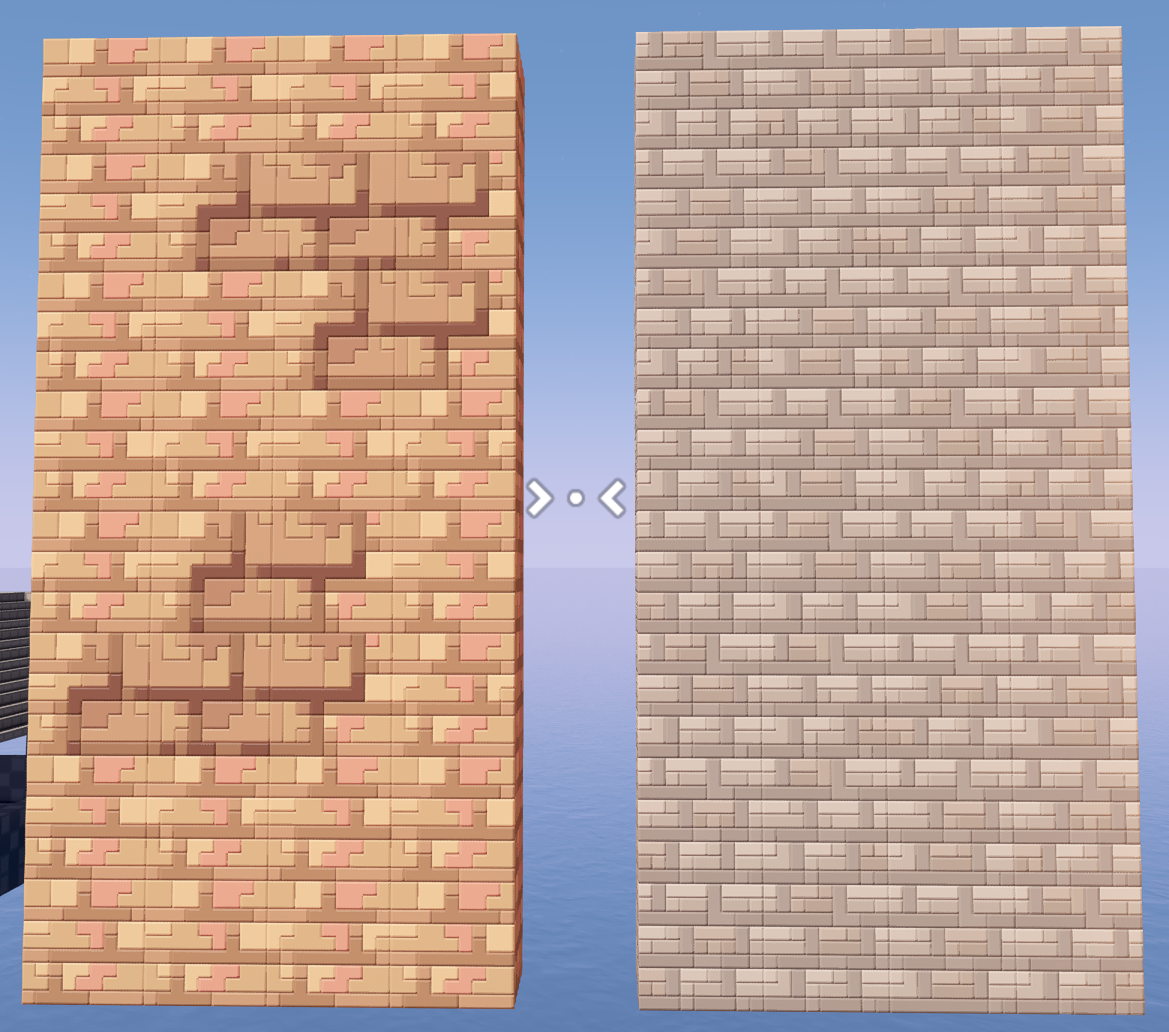
An example of a direction we decided on for our brickwork. On the left, the old bricks used heavy contrast in the linework, but the new direction opted for lower contrast and more realistic colours.